Seasonal Sunflower Calendar: When to Plant for Continuous Blooms

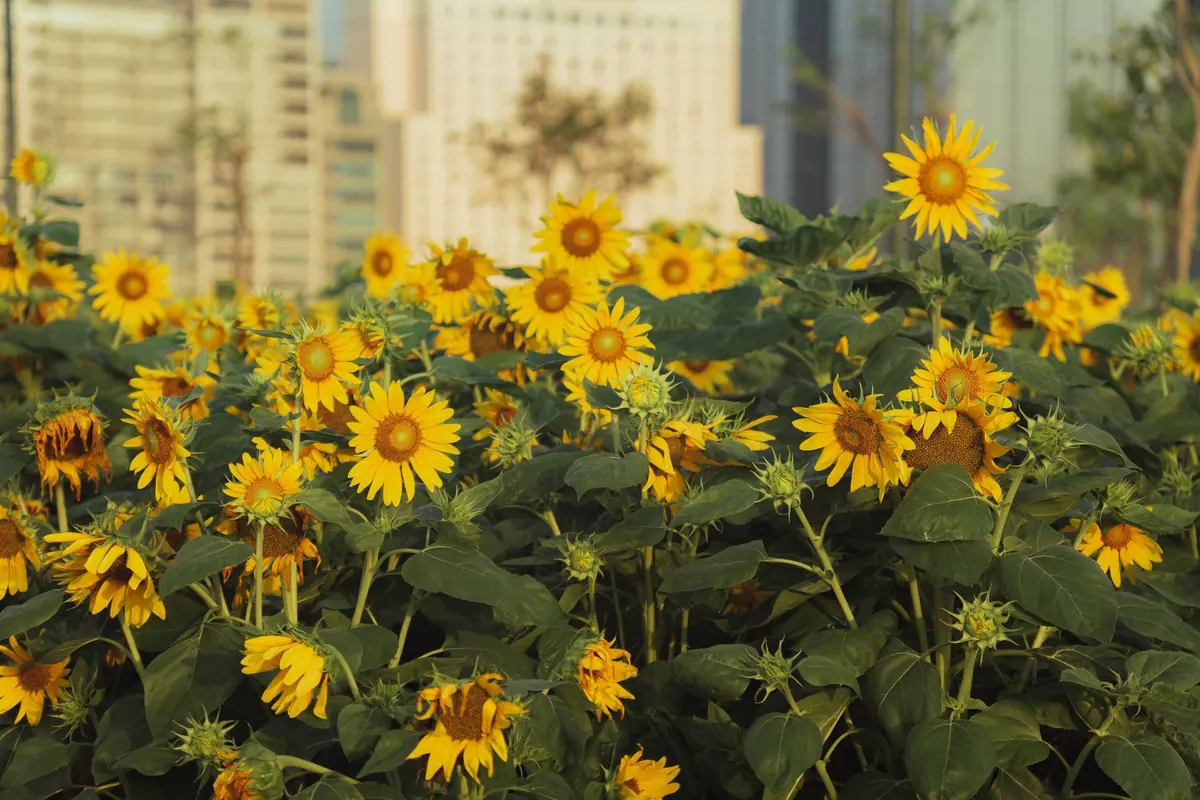
The first sunflower of the year is a small event. One morning there is a green bud the size of a thumbnail; a week later it is a plate of yellow turning its face across the sky. Then, almost without warning, it is over — and if that single sowing was your whole plan, the bed goes quiet in August while the summer still has weeks to run. The remedy is simple and old: sow little and often. Get the timing right and you can carry sunflowers from the first warm weeks of summer into the cool, slanting light of early autumn.
Each sunflower plant has a fixed bloom window. A single-stem variety opens one head, holds it for a week or two, then fades; a branching variety keeps pushing side heads for three or four weeks. Either way, one sowing gives you a month at best, not a season. Two sowings three weeks apart can nearly double the flowering period, and four or five well-spaced sowings will keep a cutting patch productive from June until the first hard frost.
The other thing to understand is that heat compresses the schedule. A sunflower sown in cool May soil may take eighty days to open; the same variety sown into warm July ground can flower in sixty-five. This is why gardeners who sow every fortnight in high summer often end up with three varieties blooming on the same weekend. Watch the plants, not just the calendar, and stretch your intervals to three weeks once the soil is properly warm.
Sunflowers are tender annuals. Seed germinates reliably once soil has warmed to roughly 10°C, and seedlings caught by a late frost will blacken overnight. So everything below hangs on one local date: your average last spring frost. If you do not know it, ask a nearby allotment neighbour or garden centre — local knowledge beats any national chart.
From that date, count forward using the days-to-bloom figure on the packet. Most varieties are listed somewhere between 55 and 100 days from sowing to first flower; dwarfs sit at the low end, tall heirlooms at the high end. A variety listed at 75 days, sown on 1 May, should open around mid-July. Add a week of buffer for a cold snap, and you have a working plan rather than a hopeful guess.
This schedule assumes a temperate northern-hemisphere garden with a last frost between late April and mid-May. Shift everything six months for the southern hemisphere, and pull each date earlier by two or three weeks in mild coastal or Mediterranean climates.
Only worth attempting where frost has largely passed, or under cover. Direct-sow a small pinch of seed — never the whole packet — in a sheltered, sunny corner, and accept that you may lose it. Indoors, sow in deep 10–15 cm pots three to four weeks before planting out; sunflowers resent root disturbance, so the extra depth matters. Harden the seedlings off gradually over a week. Expect flowers from late June.
This is the one that carries July and early August. Sow direct, about 2 cm deep, into soil that has warmed and been watered the day before. Thin seedlings ruthlessly: 30–45 cm apart for branching varieties, 20–30 cm for single-stem cutting types. Crowded sunflowers produce thin stems, small heads and more mildew. Keep the row moist until the seedlings are established.
Sow again exactly where you want the plants to flower, or in a nursery corner for transplanting while still small. Because the ground is now warm, germination is fast and the gap between sowings can stretch to three weeks without leaving a hole in the display. These plants open in August and carry into September, often on sturdier stems than the earliest sowing.
My favourite sowing of the year. Single-stem, pollen-free cutting varieties sown now will be ready to cut from early September, when the garden is otherwise winding down. Hot weather dries seedbeds fast, so water the drill before sowing and mulch after thinning. A little afternoon shade during a heatwave helps germination more than most people expect.
Worth trying in mild areas and warm autumns, particularly with quick dwarf varieties that flower in 55–65 days. Choose the sunniest, most sheltered spot you have and keep fleece handy for the first cold night. In colder gardens this sowing is better made in large pots under glass, then moved out to a porch or sunny wall.
Let a few heads ripen for seed if you want to save your own, and cut the rest for the house. This is also the moment to write down which sowings performed: a few lines in a notebook now will save you a season of guesswork next year.
Timing is only half the story; the plant has to cooperate. A few groups are worth knowing:
Sunflowers are forgiving, but a handful of habits separate a good year from a middling one:
The whole system reduces to one line: sow every three weeks, from your last frost until about eight weeks before your first autumn frost. If you forget the dates, use the plants themselves as a prompt — when the previous sowing has its first pair of true leaves, it is time to sow again. Keep a packet of seed in the shed, a pencil mark on the calendar, and a short note of what opened when. Next summer you will have your own calendar, matched precisely to your garden, and there will be a sunflower opening somewhere from June until the light goes soft.
Photo: Artem Zhukov / Pexels
Previous Post
Photographing Sunset Silhouettes: A Simple Beginner's Checklist
Next Post
Tall, Dwarf, or Branching? Comparing Sunflower Types for Late-Summer Color